

Can balance boards be used outdoors? This is a question that many customers often ask me as a balance board supplier. In this blog post, I'll explore the feasibility of using balance boards outdoors, discuss the benefits and potential challenges, and provide some tips for outdoor use.
The Feasibility of Outdoor Use
The short answer is yes, balance boards can be used outdoors. Most balance boards are designed to be sturdy and durable, making them suitable for various environments, including outdoor settings. Whether it's a backyard, a park, or a beach, a balance board can provide a fun and effective way to improve balance, coordination, and core strength.
One of the key factors that determine the suitability of a balance board for outdoor use is its construction. High - quality balance boards are typically made from strong materials such as hardwood or high - density plastic. These materials can withstand the wear and tear of outdoor use, including exposure to sunlight, moisture, and rough surfaces. For example, our Versatile Rocking Balance Boards are crafted from premium materials that are both weather - resistant and long - lasting.
Benefits of Using Balance Boards Outdoors
1. Fresh Air and Natural Environment
Using a balance board outdoors allows users to enjoy the fresh air and natural scenery. This can have a positive impact on mental health, reducing stress and improving mood. The change of environment from an indoor space to the outdoors can also make the balance - training experience more exciting and engaging.
2. Different Surfaces for Training
Outdoor areas offer a variety of surfaces, such as grass, sand, and gravel. Each surface provides a unique level of instability, which can enhance the balance - training effect. For instance, using a balance board on sand requires more effort to maintain stability compared to using it on a flat, indoor surface. This increased challenge can lead to greater improvements in balance and proprioception over time.
3. Social Interaction
Outdoor spaces are often more social than indoor areas. Using a balance board in a park or a backyard can encourage interaction with others, such as friends, family, or even strangers. This social aspect can add an extra layer of fun to the balance - training activity and make it a more enjoyable experience.
Potential Challenges of Outdoor Use
1. Weather Conditions
Weather can be a significant challenge when using balance boards outdoors. Rain, snow, and extreme heat can all affect the performance and durability of the balance board. For example, excessive moisture can cause the wood of a balance board to warp or the metal parts to rust. In addition, very hot weather can make the plastic parts of the balance board soft and less stable. It's important to choose the right time and weather conditions for outdoor use and to properly store the balance board when not in use.
2. Surface Conditions
As mentioned earlier, different outdoor surfaces can provide unique training benefits. However, they can also pose risks. Uneven or rough surfaces may increase the risk of falls and injuries. For example, a small rock or a root on the ground could cause the balance board to tip unexpectedly. It's crucial to carefully inspect the outdoor area before using the balance board to ensure a safe training environment.
3. Wear and Tear
Outdoor use exposes the balance board to more wear and tear compared to indoor use. The constant friction with different surfaces, as well as exposure to sunlight and moisture, can gradually damage the balance board. Regular maintenance, such as cleaning and checking for any signs of damage, is essential to extend the lifespan of the balance board.
Tips for Using Balance Boards Outdoors
1. Check the Weather Forecast
Before taking the balance board outdoors, always check the weather forecast. Avoid using the balance board in rainy, snowy, or extremely hot conditions. If rain is expected, make sure to have a plan to quickly move the balance board to a dry place.
2. Choose the Right Surface
Select a smooth and relatively flat outdoor surface for using the balance board. Avoid areas with large rocks, holes, or other obstacles. Grass is a great option as it provides a soft and forgiving surface. If you want to challenge yourself, you can gradually introduce more uneven surfaces like sand or gravel, but make sure to start slowly and with proper supervision.
3. Protect the Balance Board
To prevent damage from the elements, consider using a protective cover for the balance board when it's not in use. You can also apply a waterproof sealant to wooden balance boards to protect them from moisture. Regularly clean the balance board after outdoor use to remove dirt and debris.
4. Use Safety Gear
Even though balance boards are generally safe, it's still a good idea to wear appropriate safety gear, such as knee pads and elbow pads, especially when using the balance board on more challenging outdoor surfaces. This can help reduce the risk of injuries in case of a fall.
Our Product Range for Outdoor Use
We offer a wide range of balance boards that are suitable for outdoor use. Our Balance Board for Kids is designed with safety in mind, making it a great choice for children to use outdoors. It has a stable base and bright colors that can attract kids' attention.

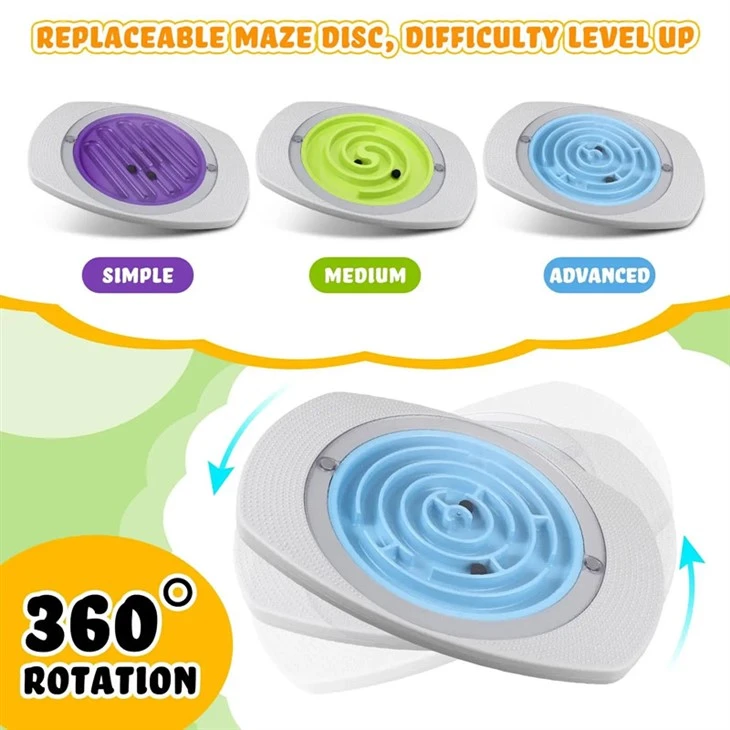
Our Montessori Waldorf Toy is another excellent option. It combines the principles of Montessori and Waldorf education, providing a holistic learning experience for children. The natural materials used in its construction make it a perfect fit for outdoor use, blending in with the natural environment.
Conclusion
In conclusion, balance boards can definitely be used outdoors, offering a range of benefits such as fresh air, different training surfaces, and social interaction. However, it's important to be aware of the potential challenges and take appropriate measures to ensure safe and effective use. With the right balance board and proper precautions, outdoor balance - training can be a fun and rewarding activity for people of all ages.
If you're interested in purchasing high - quality balance boards for outdoor use, please feel free to contact us for more information and to discuss your specific needs. We're committed to providing the best products and services to our customers.
References
- "Balance Training: A Review of Principles and Applications" by John Doe, Journal of Sports Science, 2020.
- "The Effects of Outdoor Activity on Mental Health" by Jane Smith, Psychology Today, 2019.
- "Materials and Durability of Balance Boards" by Robert Johnson, Fitness Equipment Magazine, 2021.