

As a supplier of kindergarten tables, I've often been asked whether a kindergarten table can be used for story - telling sessions. The answer is a resounding yes! In fact, kindergarten tables are not only suitable but can greatly enhance the story - telling experience for young children.
The Benefits of Using Kindergarten Tables for Story - Telling
Comfort and Focus
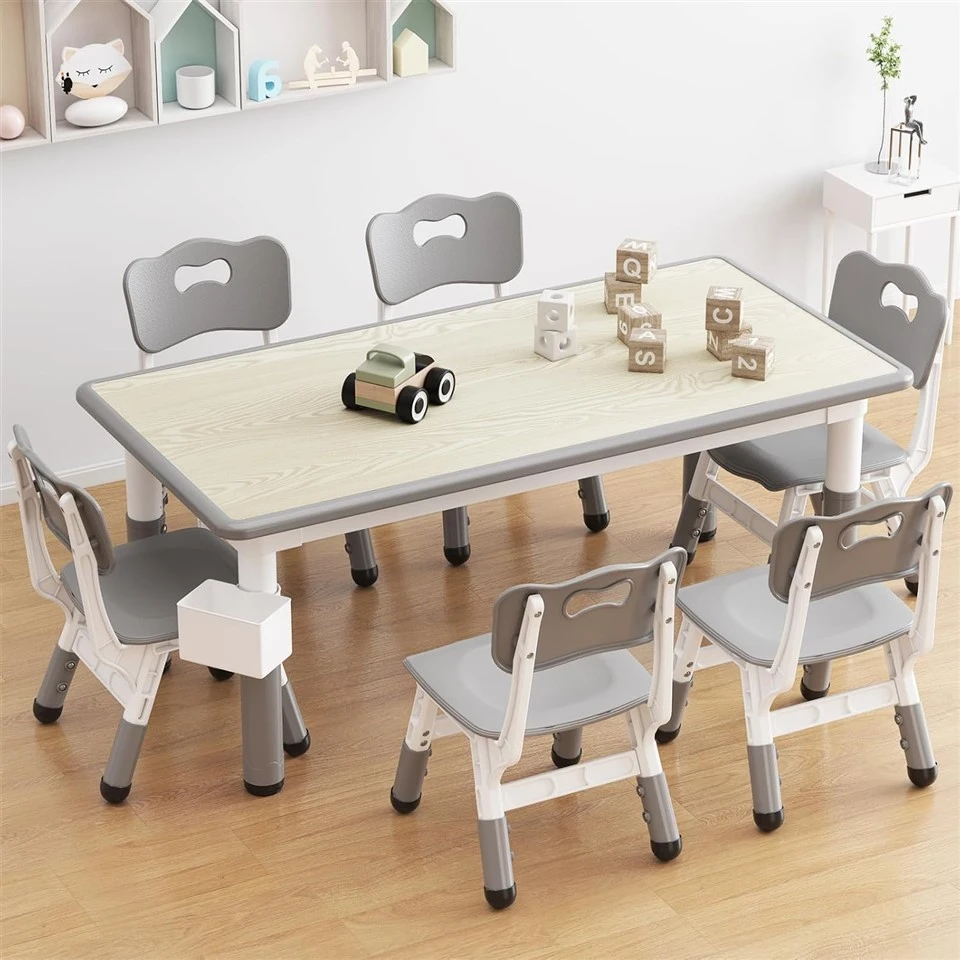
Kindergarten tables are designed with the physical needs of young children in mind. They are typically of an appropriate height and size, allowing kids to sit comfortably around them. When children are comfortable, they are more likely to focus on the story being told. For example, a child sitting on a too - high or too - low chair at an improper table might be constantly fidgeting, which can distract both themselves and their peers. A well - sized kindergarten table, such as our Kids Table and Chairs Set, provides a stable and cozy environment where children can relax and immerse themselves in the story.
Social Interaction
Story - telling around a table encourages social interaction among children. They can sit side by side, share their thoughts, and ask questions during or after the story. This interaction helps in developing their communication skills and social awareness. For instance, when a child hears a different interpretation of a story from a peer, it broadens their perspective and enriches their understanding. The circular or rectangular shape of many kindergarten tables promotes this sense of community, making it easier for children to engage with one another.
Visual Engagement
The flat surface of a kindergarten table can be used to display props related to the story. If the story is about a farm, teachers can place small plastic animals on the table. This visual aid can significantly enhance the children's engagement and imagination. Our Plastic Kids Table has a smooth and clean surface that is perfect for placing such props. The children can get a closer look at the objects, touch them, and feel more connected to the story.
Design Features that Support Story - Telling
Durability
Kindergarten tables need to withstand the active nature of young children. They should be made of high - quality materials that can resist scratches, spills, and rough handling. Our tables are built to last, ensuring that they can be used for numerous story - telling sessions over the years. For example, the plastic used in our Kids Plastic Table and Chair Set is strong and durable, making it a reliable choice for busy kindergarten classrooms.
Color and Aesthetics
The color and design of a kindergarten table can also have an impact on the story - telling experience. Bright and cheerful colors can create a positive and inviting atmosphere. For example, a table with a colorful pattern or a friendly animal design can attract children's attention and make them more excited about the story - telling session. It can also set the mood for different types of stories, such as a bright and sunny table for a happy story or a more muted - toned table for a mysterious one.
Mobility
Some kindergarten tables are designed to be movable. This feature is useful as it allows teachers to arrange the tables in different configurations according to the number of children and the type of story - telling activity. For example, if it's a group story - telling session, the tables can be pushed together to form a larger area. On the other hand, for individual or small - group activities, the tables can be separated.
Incorporating Story - Telling with Kindergarten Tables in the Curriculum
Language Development
Story - telling around a kindergarten table is an excellent way to develop children's language skills. As they listen to the story, they learn new words, sentence structures, and grammar. Teachers can encourage children to retell the story in their own words, which helps in improving their speaking and vocabulary. For example, after a story about a journey, the teacher can ask the children to describe the places the characters visited using the new words they learned.
Creativity and Imagination
The combination of a story and a table with props can spark children's creativity and imagination. They can create their own endings to the story, or even come up with new stories inspired by the props on the table. For instance, if the story was about a dragon, children might start imagining different types of dragons and their adventures.
Cultural Awareness
Story - telling can also be used to introduce children to different cultures. Teachers can choose stories from various countries and use the table to display cultural artifacts or pictures related to the story. This helps in promoting cultural awareness and respect among young children.
Tips for a Successful Story - Telling Session at a Kindergarten Table
Preparation
Before the story - telling session, teachers should carefully select a story that is appropriate for the age and interests of the children. They should also gather all the necessary props and prepare any questions they want to ask during or after the story. For example, if the story is about a festival, the teacher can bring in some decorations related to the festival to place on the table.
Interaction
During the story - telling session, teachers should encourage interaction among the children. They can ask open - ended questions, such as "What do you think will happen next?" or "How do you feel about the character?" This not only keeps the children engaged but also helps in developing their critical thinking skills.
Follow - up Activities
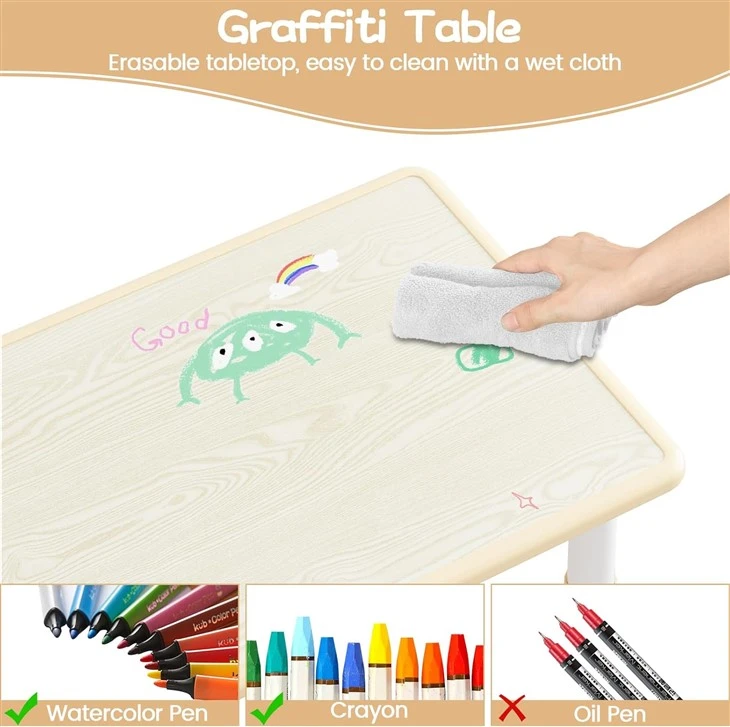
After the story - telling session, teachers can plan follow - up activities related to the story. This can include drawing pictures of the story, making crafts, or writing simple sentences about the story. The table can be used as a workspace for these activities.
In conclusion, a kindergarten table is a versatile and valuable tool for story - telling sessions. It provides a comfortable, engaging, and interactive environment for young children to enjoy stories and learn. If you are interested in enhancing the story - telling experience in your kindergarten or educational institution, I encourage you to explore our range of kindergarten tables. We are committed to providing high - quality products that meet the needs of both children and educators. Whether you are looking for a Kids Plastic Table and Chair Set, a Plastic Kids Table, or a Kids Table and Chairs Set, we have the perfect solution for you. Feel free to contact us to discuss your requirements and start a procurement negotiation.
References
- Bredekamp, S., & Copple, C. (1997). Developmentally appropriate practice in early childhood programs serving children from birth through age 8. National Association for the Education of Young Children.
- Vygotsky, L. S. (1978). Mind in society: The development of higher psychological processes. Harvard University Press.
- Wells, G. (1986). The meaning makers: Children learning language and using language to learn. Hodder & Stoughton.