

Can a kids slide playset be used in a coastal area?
As a supplier of kids slide playsets, I often get asked whether our products can be used in coastal areas. The answer is yes, but with some important considerations. In this blog post, I'll explore the feasibility of using kids slide playsets in coastal regions, the challenges they may face, and how to ensure their durability and safety.
Feasibility of Using Kids Slide Playsets in Coastal Areas
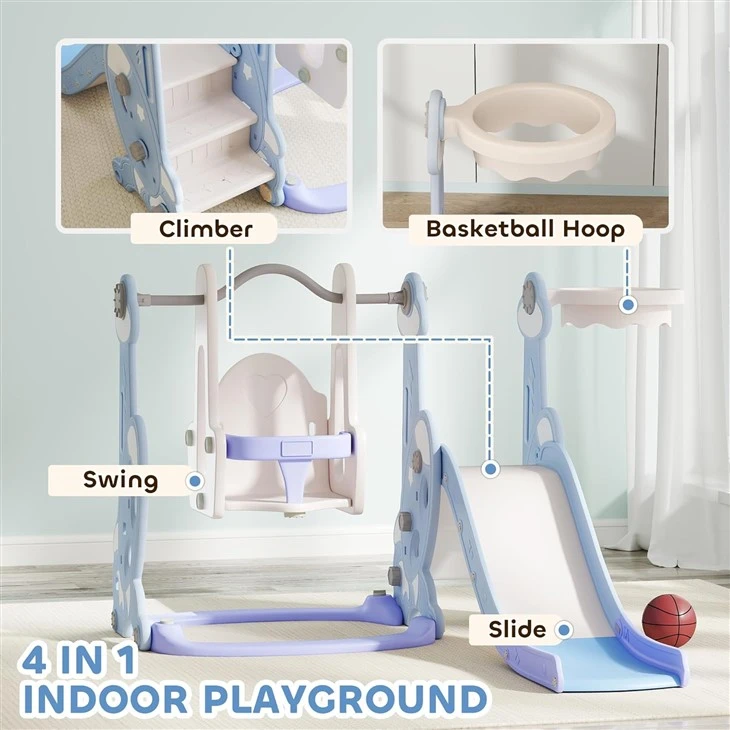
Coastal areas offer a unique and exciting environment for children to play. The combination of sand, sea, and fresh air provides a stimulating backdrop for outdoor activities. A kids slide playset can enhance the play experience by adding elements of fun and adventure. Whether it's a simple slide or a more elaborate playset with swings, climbing walls, and tunnels, these structures can provide hours of entertainment for children of all ages.
Moreover, coastal areas often attract tourists and families, making them ideal locations for public playgrounds. Installing a kids slide playset in a coastal park or beachfront area can draw more visitors and contribute to the local community's recreational offerings. It can also serve as a gathering place for families and children to socialize and enjoy the outdoors.
Challenges of Using Kids Slide Playsets in Coastal Areas
While the idea of using a kids slide playset in a coastal area is appealing, there are several challenges that need to be addressed. The most significant challenge is the corrosive nature of the coastal environment. Saltwater, high humidity, and strong winds can cause damage to the playset over time, leading to rust, corrosion, and structural weakening.
Saltwater is particularly damaging to metal components, such as slides, swings, and frames. It can cause the metal to rust and corrode, which can compromise the integrity of the playset and pose a safety risk. High humidity can also contribute to the growth of mold and mildew, which can not only damage the playset but also be harmful to children's health.
In addition to corrosion, coastal areas are often prone to extreme weather conditions, such as hurricanes, storms, and high winds. These weather events can cause significant damage to the playset, including uprooting it from the ground, breaking its components, and causing it to become unstable. Therefore, it's essential to choose a playset that is designed to withstand these weather conditions and is properly installed and secured.
Choosing the Right Kids Slide Playset for Coastal Areas
To ensure the durability and safety of a kids slide playset in a coastal area, it's crucial to choose the right materials and design. Here are some factors to consider when selecting a playset:
- Materials: Opt for playsets made from corrosion-resistant materials, such as stainless steel, aluminum, or plastic. These materials are less likely to rust or corrode when exposed to saltwater and high humidity. Avoid using playsets made from untreated wood, as it can rot and decay quickly in the coastal environment.
- Coating: Look for playsets that have a protective coating, such as powder coating or galvanization. These coatings can provide an extra layer of protection against corrosion and extend the lifespan of the playset.
- Design: Choose a playset with a sturdy and stable design that can withstand strong winds and extreme weather conditions. Look for playsets with a wide base, reinforced frames, and secure anchoring systems. Avoid playsets with flimsy or lightweight components that may be easily damaged by high winds.
- Maintenance: Consider the maintenance requirements of the playset. Choose a playset that is easy to clean and maintain, and that requires minimal upkeep. Regular cleaning and inspection can help prevent corrosion and damage and ensure the safety of the playset.
Maintenance and Care of Kids Slide Playsets in Coastal Areas
Once you've chosen the right kids slide playset for your coastal area, it's important to take proper care of it to ensure its longevity and safety. Here are some maintenance tips:
- Clean regularly: Clean the playset regularly with a mild soap and water solution to remove salt, sand, and dirt. Rinse the playset thoroughly with fresh water to prevent the buildup of salt and other corrosive substances.
- Inspect regularly: Inspect the playset regularly for signs of damage, such as rust, corrosion, cracks, or loose parts. Replace any damaged components immediately to ensure the safety of the playset.
- Lubricate moving parts: Lubricate the moving parts of the playset, such as swings and slides, regularly to prevent rust and ensure smooth operation.
- Protect from the elements: Cover the playset when it's not in use to protect it from the sun, rain, and saltwater. Use a waterproof cover that is designed specifically for playsets.
- Anchor properly: Make sure the playset is properly anchored to the ground to prevent it from being uprooted by strong winds or storms. Follow the manufacturer's instructions for anchoring the playset.
Conclusion
In conclusion, a kids slide playset can be used in a coastal area, but it requires careful consideration and proper maintenance. By choosing the right materials, design, and installation method, and by taking proper care of the playset, you can ensure its durability and safety in the challenging coastal environment.
If you're interested in purchasing a kids slide playset for your coastal area, we offer a wide range of Indoor Outdoor Playground, Toddler Swing and Slide Set, and Kids Indoor Playground options. Our playsets are made from high-quality, corrosion-resistant materials and are designed to withstand the rigors of the coastal environment. Contact us today to learn more about our products and to discuss your specific needs.

References
- American Society for Testing and Materials (ASTM). (2019). Standard consumer safety specification for playground equipment for public use. ASTM F1487-19.
- National Recreation and Park Association (NRPA). (2018). Playground safety handbook.
- U.S. Consumer Product Safety Commission (CPSC). (2020). Playground safety.