

Can a jumping board be used for martial arts training? This is a question that has intrigued many martial artists, trainers, and enthusiasts alike. As a supplier of high - quality jumping boards, I've had the opportunity to explore this topic in depth and share some insights.
The Basics of Jumping Boards
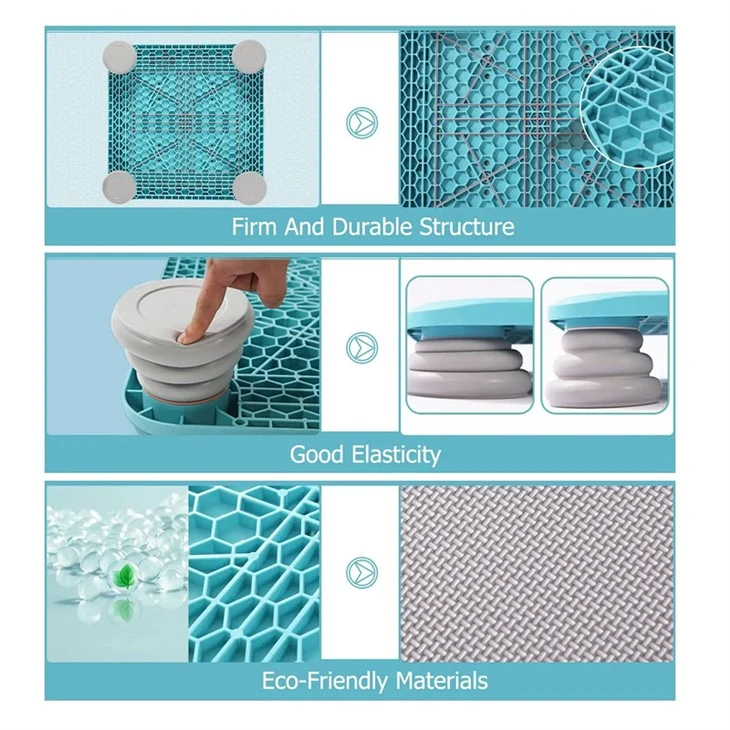
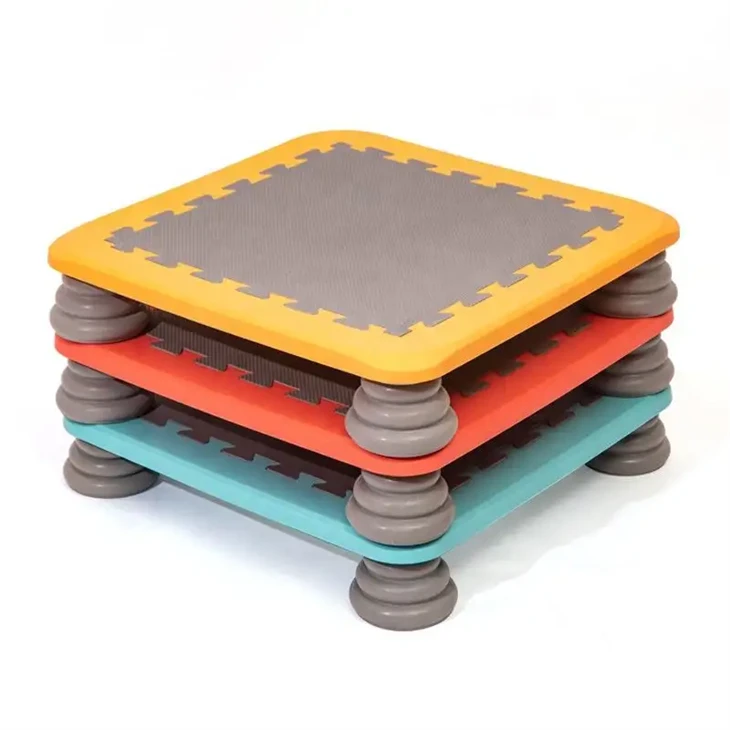
Before delving into the potential use of jumping boards in martial arts training, let's first understand what a jumping board is. A jumping board, also known as a mini - trampoline, is a versatile piece of equipment. It typically consists of a small, spring - loaded platform that provides a bouncy surface for users to jump on. There are various types of jumping boards available in the market, such as Jumping Hopping Toys, Kids Mini Trampoline, and Indoor Small Trampoline for Kids. These boards come in different sizes, shapes, and load - bearing capacities, catering to a wide range of users from children to adults.
Physical Benefits for Martial Arts Training
One of the primary reasons why a jumping board can be beneficial for martial arts training is the physical conditioning it offers. Martial arts require a high level of strength, balance, and coordination. Jumping on a board engages multiple muscle groups simultaneously. The legs, especially the quadriceps, hamstrings, and calves, are constantly working to push off the board and control the landing. This helps in building lower - body strength, which is crucial for powerful kicks and stances in martial arts.
Balance is another key aspect of martial arts. The unstable surface of a jumping board forces the body to constantly adjust and maintain equilibrium. This improvement in balance can translate directly into better stability during martial arts movements, whether it's a spinning kick or a quick change of direction.
Coordination is also enhanced through jumping board training. As the body moves up and down on the board, the brain has to coordinate the movement of different body parts. This can improve the overall motor skills of a martial artist, making their movements more fluid and precise.
Cardiovascular and Endurance Training
Martial arts is a physically demanding activity that requires good cardiovascular endurance. Jumping on a board is an excellent form of aerobic exercise. It gets the heart rate up, increasing blood circulation and oxygen delivery to the muscles. Regular training on a jumping board can improve a martial artist's stamina, allowing them to perform better during long - duration sparring sessions or competitions.
The repetitive nature of jumping also helps in building endurance. A martial artist who trains on a jumping board regularly will find it easier to maintain a high level of activity throughout a fight without getting fatigued quickly.
Agility and Reaction Time
Agility is an important skill in martial arts. It refers to the ability to move quickly and change direction with ease. Jumping on a board can enhance agility as it requires quick movements and rapid changes in direction. The bouncy surface of the board forces the body to react quickly to maintain balance, which in turn improves reaction time.
In a martial arts context, a faster reaction time can be the difference between landing a successful strike and getting hit. Training on a jumping board can help martial artists develop the reflexes needed to respond quickly to their opponent's movements.
Mental Benefits
Martial arts is not just about physical strength; it also requires mental focus and discipline. Jumping on a board can be a meditative experience. The rhythmic motion of jumping can help clear the mind and improve concentration. This mental clarity can be beneficial during martial arts training and competitions, allowing the martial artist to stay focused on their techniques and strategies.
Potential Limitations
While there are many benefits to using a jumping board for martial arts training, there are also some potential limitations. One of the main concerns is the risk of injury. The bouncy surface of the board can be unpredictable, and if not used properly, it can lead to falls and sprains. It's important for martial artists to start slowly and gradually increase the intensity of their training on the board.
Another limitation is that a jumping board may not fully replicate the real - world conditions of a martial arts fight. While it can improve physical and mental skills, it cannot simulate the actual contact and pressure of an opponent. Therefore, it should be used as a supplementary training tool rather than a replacement for traditional martial arts training methods.
Training Tips
If you're a martial artist interested in using a jumping board for training, here are some tips to get you started. First, choose the right board for your needs. Consider factors such as your weight, the type of training you'll be doing, and the available space. Make sure the board is sturdy and has a good weight - bearing capacity.
Start with basic jumps and gradually progress to more advanced movements. You can try incorporating martial arts - specific movements such as kicks and punches while on the board. However, make sure you have a good understanding of the proper form and technique before attempting these movements.
It's also important to warm up properly before using the jumping board and cool down afterward. This can help prevent injuries and reduce muscle soreness.
Conclusion
In conclusion, a jumping board can be a valuable addition to a martial artist's training regimen. It offers numerous physical and mental benefits, including improved strength, balance, coordination, cardiovascular endurance, agility, and reaction time. However, it should be used with caution, taking into account the potential limitations.
If you're interested in exploring the use of jumping boards for martial arts training or other purposes, I encourage you to reach out. As a supplier of high - quality jumping boards, I can provide you with the right equipment and advice to meet your training needs. Whether you're a professional martial artist, a beginner, or a trainer, our jumping boards can help you take your training to the next level. Let's start a conversation and see how we can work together to achieve your goals.
References
- American Council on Exercise. (2018). The Benefits of Trampoline Exercise.
- Sports Medicine Journal. (2019). The Role of Balance Training in Martial Arts.
- Journal of Physical Education and Sports Science. (2020). Cardiovascular Endurance in Martial Arts: Training Methods and Improvements.