

Are there any legal requirements for operating a private toddler playground?
As a seasoned supplier of toddler playground equipment, I've witnessed firsthand the growing popularity of private toddler playgrounds. These vibrant spaces offer a safe and engaging environment for young children to play, learn, and socialize. However, before embarking on the exciting journey of opening a private toddler playground, it's crucial to understand the legal requirements that govern this type of business. In this blog post, I'll delve into the key legal aspects you need to consider to ensure your playground operates smoothly and complies with all relevant regulations.

Licensing and Permits
One of the first steps in establishing a private toddler playground is obtaining the necessary licenses and permits. The specific requirements vary depending on your location, but generally, you'll need to secure a business license to legally operate your playground. This license is typically issued by the local government or municipality and serves as official authorization to conduct business within their jurisdiction.
In addition to a business license, you may also need to obtain a special permit for operating a childcare or recreational facility. This permit ensures that your playground meets certain safety and health standards and is often required if you provide supervised play services or care for children. To obtain this permit, you'll likely need to submit an application, undergo an inspection of your premises, and provide documentation demonstrating compliance with relevant regulations.
Safety Regulations
Safety is paramount when it comes to toddler playgrounds. Young children are particularly vulnerable to injuries, so it's essential to ensure that your playground is designed, constructed, and maintained to the highest safety standards. Here are some key safety regulations you should be aware of:
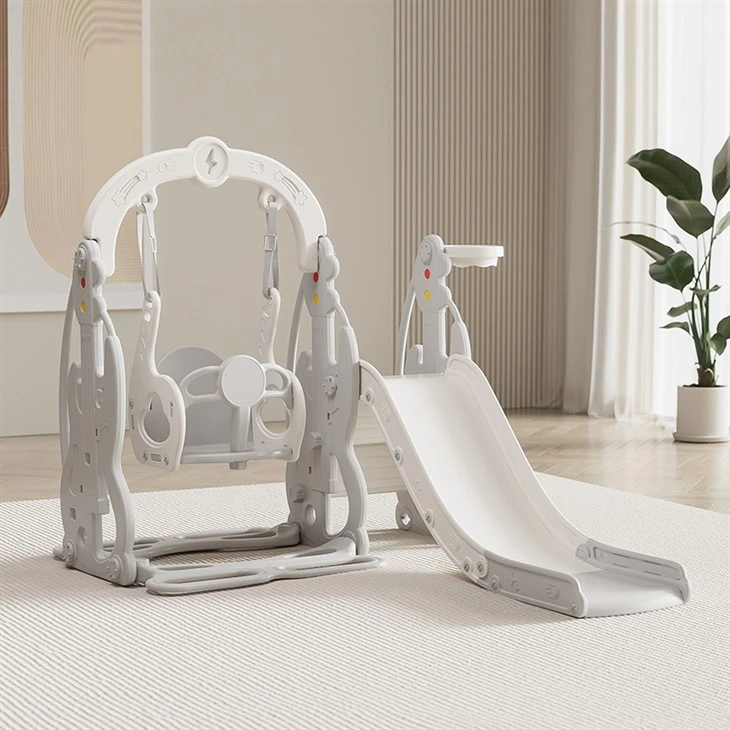
- Equipment Standards: All playground equipment must meet or exceed the safety standards set by organizations such as the American Society for Testing and Materials (ASTM) and the Consumer Product Safety Commission (CPSC). These standards cover aspects such as structural integrity, material quality, and design features to minimize the risk of injuries. As a supplier, I ensure that all our Indoor Outdoor Slide for Toddlers and Swing Set with Slide for Kids meet these rigorous standards, providing you with peace of mind knowing that your playground equipment is safe for children.
- Surface Requirements: The surface of your playground should be soft and shock-absorbing to reduce the impact of falls. Common surface materials include rubber mulch, artificial turf, and poured-in-place rubber. The surface should also be properly maintained to ensure its effectiveness in preventing injuries.
- Fencing and Enclosures: To prevent children from wandering off and to keep unauthorized individuals out, your playground should be surrounded by a secure fence or enclosure. The fence should be at least 4 feet high and have no gaps or openings that could allow a child to squeeze through.
- Supervision and Staffing: Adequate supervision is essential to ensure the safety of children in your playground. You should have a sufficient number of trained staff members on hand at all times to monitor the children and intervene if necessary. Staff members should also be trained in first aid and CPR to respond to emergencies.
Health and Sanitation Regulations
Maintaining a clean and hygienic environment is crucial for the health and well-being of the children using your playground. Here are some health and sanitation regulations you should follow:
- Cleaning and Disinfection: Your playground equipment and facilities should be regularly cleaned and disinfected to prevent the spread of germs and diseases. This includes wiping down surfaces, sanitizing toys and equipment, and cleaning restrooms and changing areas.
- Food and Beverage Regulations: If you offer food or beverages at your playground, you'll need to comply with local food safety regulations. This may include obtaining a food service license, following proper food handling and storage procedures, and ensuring that your staff members are trained in food safety.
- Diapering and Toilet Facilities: You should provide clean and well-maintained diapering and toilet facilities for the children using your playground. These facilities should be equipped with changing tables, disposable wipes, and handwashing stations.
Insurance Requirements
Operating a private toddler playground comes with inherent risks, so it's important to have adequate insurance coverage to protect your business and your customers. Here are some types of insurance you should consider:
- General Liability Insurance: This insurance provides coverage for bodily injury and property damage claims that may arise from accidents or incidents at your playground. It can help protect you from financial losses in the event of a lawsuit.
- Property Insurance: Property insurance covers damage or loss to your playground equipment, buildings, and other property. It can help you recover the cost of repairs or replacement in the event of a fire, theft, or other covered event.
- Workers' Compensation Insurance: If you have employees, you're required by law to carry workers' compensation insurance. This insurance provides coverage for medical expenses and lost wages if an employee is injured or becomes ill on the job.
Accessibility Requirements
Under the Americans with Disabilities Act (ADA), your playground must be accessible to children with disabilities. This means that your playground equipment and facilities should be designed and constructed to accommodate children with physical, sensory, or cognitive disabilities. Here are some accessibility requirements you should consider:
- Ramp and Wheelchair Access: Your playground should have ramps and wheelchair-accessible pathways to allow children with disabilities to access all areas of the playground.
- Accessible Equipment: You should provide playground equipment that is designed for children with disabilities, such as wheelchair swings, accessible slides, and sensory play stations.
- Signage and Communication: You should provide clear signage and communication tools to help children with disabilities navigate your playground and understand the rules and safety instructions.
Environmental Regulations
In addition to safety, health, and accessibility regulations, you may also need to comply with environmental regulations when operating a private toddler playground. This may include regulations related to water quality, air pollution, and waste management. You should consult with your local environmental agency to determine the specific regulations that apply to your playground and to ensure that you're in compliance.
Conclusion
Operating a private toddler playground can be a rewarding and profitable business, but it also comes with a significant amount of responsibility. By understanding and complying with the legal requirements outlined in this blog post, you can ensure that your playground provides a safe, healthy, and engaging environment for young children. As a trusted supplier of Kids Indoor Playground equipment, I'm here to support you every step of the way. Whether you're looking for high-quality playground equipment, installation services, or guidance on regulatory compliance, I'm committed to helping you create a successful and compliant toddler playground. If you're interested in learning more about our products and services or have any questions about operating a private toddler playground, please don't hesitate to contact me. I look forward to working with you to create a fun and safe playground for children.
References
- American Society for Testing and Materials (ASTM). (n.d.). Playground Equipment Standards. Retrieved from [ASTM Website]
- Consumer Product Safety Commission (CPSC). (n.d.). Playground Safety. Retrieved from [CPSC Website]
- Americans with Disabilities Act (ADA). (n.d.). Title III: Public Accommodations and Commercial Facilities. Retrieved from [ADA Website]