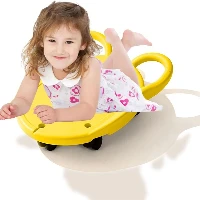
Early childhood is a vital time for discovering the world and exploring new things. Sensory toys become valuable partners during these growing years, sparking children's natural curiosity and imagination while building essential skills-from hand-eye coordination to cognitive growth.
Yet because their bodies are still developing, little ones have limited defenses against harmful chemicals. This makes choosing toys made from safe materials absolutely critical.
This article explores common safety-certified materials used in early childhood sensory toys and explains their benefits. Our goal is to help both parents and toy creators better protect children's health and safety.

Which natural materials are often used to make sensory toys for young children to ensure safety?
Wood: Wood is a beloved classic material for children's sensory toys. High-quality wooden toys are typically painted with non-toxic, water-based paints, eliminating harmful substances often found in conventional varnishes. Edges are carefully rounded to prevent scratches during play. Toys like wooden blocks and puzzles allow children to experience the natural grain and gentle texture of wood while developing fine motor skills and spatial reasoning.
Cotton and Linen Fabrics: Prized for their softness, breathability, and skin-friendliness, cotton and linen are widely used in sensory toys. Items such as fabric books and soft dolls can be safely grasped, squeezed, and mouthed without irritating delicate skin. These natural fabrics also offer excellent moisture-wicking properties, helping to keep surfaces dry and minimize bacterial growth.
Natural Rubber: Natural rubber offers ideal moderate elasticity and is hypoallergenic, making it perfect for sensory playthings. Toys like rubber balls or teethers encourage children to chew and squeeze, strengthening oral muscles and hand coordination. Additionally, natural rubber boasts good durability, easily withstanding frequent use by active toddlers.
What are the safety standards for the application of food-grade plastics in children's sensory toys?
Definition of Food-Grade Plastics:
Food-grade plastics meet strict safety standards for contact with consumables. Materials like PP (polypropylene), PE (polyethylene), and PVC-free plastics are commonly used. These materials are non-toxic, odorless, and corrosion-resistant, making them safe for toys that young children may put in their mouths.
Non-Toxic Certification:
Toys made from food-grade plastics must pass rigorous non-toxic certifications, adhering to international safety standards such as FDA (U.S. Food and Drug Administration) and EN71 (European Toy Safety Standard). These certifications ensure the absence of harmful substances-including heavy metals and plasticizers-to protect children's health.
Chew Resistance Testing:
Since young children often chew on toys, food-grade plastic toys undergo specialized chew resistance testing. This process verifies that toys won't break apart or release hazardous materials during biting, ensuring long-term safety during use.
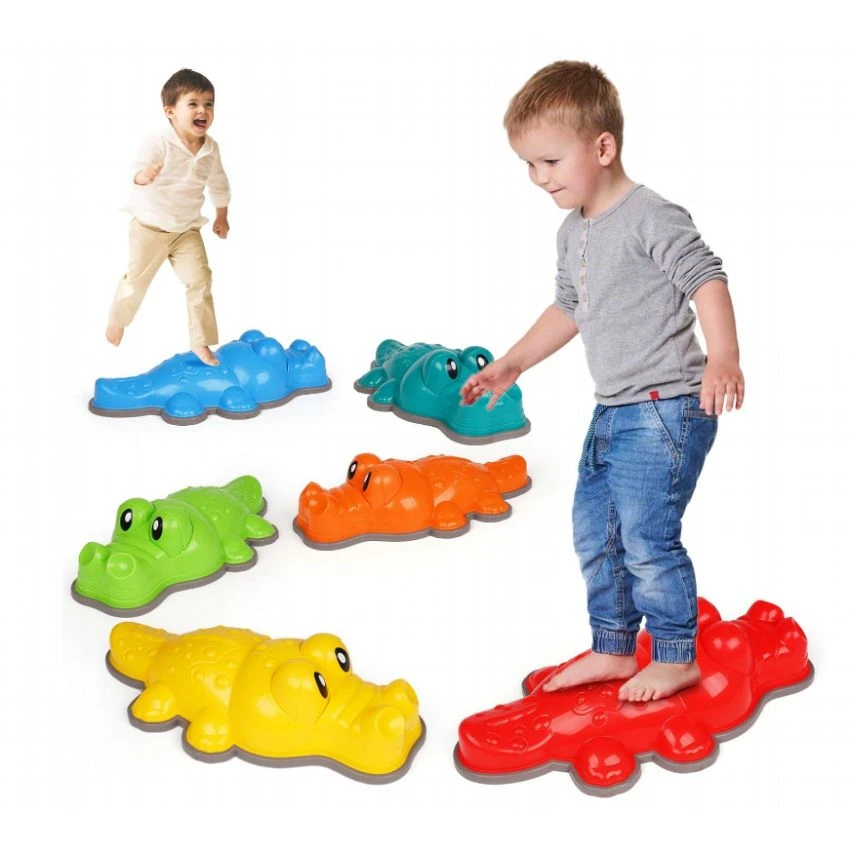
The safety advantages of silicone material in children's sensory toys
Exceptional Heat Resistance:
Silicone withstands high-temperature sterilization without deforming. This allows thorough cleaning to minimize bacterial growth, maintaining a hygienic play environment.
Odorless & Non-Toxic:
Free from harmful substances and unpleasant odors, silicone is safe for oral contact. It poses no health risk during chewing or mouthing, making it a trusted choice for caregivers.
Soft & Tear-Resistant:
Its flexible yet durable nature resists tearing, preventing breakage into small parts. This durability supports frequent use while reducing choking hazards from damaged toys.
Which harmful materials should be avoided in children's sensory toys to ensure safety?
· Lead-Based Paints:
Paints containing lead pose serious risks to developing nervous systems. Exposure may cause neurodevelopmental delays, cognitive impairment, and behavioral issues. Always verify paint certifications when selecting toys.
· · Materials Prone to Detachment:
Poorly manufactured plastic toys with weak structural integrity can shed small components. These pose choking hazards if ingested. Prioritize toys with reinforced joints and durable construction.
· · Allergenic Substances:
Certain synthetic textiles and untreated materials may trigger skin irritation or allergic reactions. Opt for toys labeled "hypoallergenic" or made with certified non-irritating fabrics.
Conclusion
The importance of safe materials for infant sensory toys is self-evident. Choosing toys made from safe materials not only safeguards children's health and safety but also fosters their holistic development. Therefore, when selecting toys, parents should prioritize material labels and safety certifications, opting for products that meet established safety standards. And manufacturers must continuously innovate to provide safer, more engaging sensory toys that cater to children's growth needs. Let's work together to create a secure and healthy environment for every child's development.
Content citation source
- Authoritative Parenting magazine "Parenting Science" : Offers professional insights on the application of natural materials in children's toys.
- The relevant guidelines of the American Academy of Pediatrics (AAP) : As an authoritative institution in the field of pediatric medicine, its guidelines provide a scientific basis for the safety of children's toys.
- The International Toy Industry Association (ICTI) safety standards: They stipulate the safety requirements in the toy manufacturing process, including material selection, testing methods, etc.
- The relevant regulations of the U.S. Food and Drug Administration (FDA) : The safety standards for food contact materials are indirectly applicable to food-grade plastic toys.
- Silicone Products Industry Association Report: Providing safety performance data of silicone materials in toy manufacturing.
- The relevant research in the pediatric medical journal "Pediatrics" : Published scientific research on the safety of children's toys, providing a scientific basis for the safety of silicone materials.
- World Health Organization (WHO) Child Health Guidelines: Provide global guiding principles on children's health and safety.
- Consumer Product Safety Commission (CPSC) Recall case: Demonstrating the potential risks of harmful materials in children's toys through actual cases.